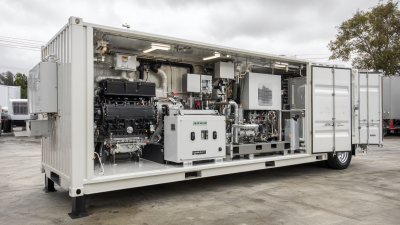
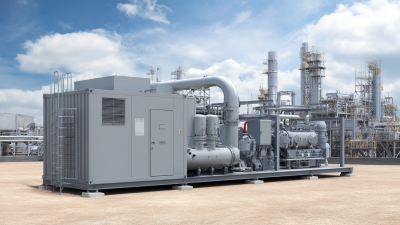
Choosing the right gas generator can really make a difference, depending on what you need it for. Whether you're looking for backup power at home, gearing up for outdoor adventures, or even handling industrial tasks, having a dependable generator is pretty much essential. Come 2026, there are some pretty solid options out there. Each one comes with its own set of features and benefits, so it’s worth doing a bit of homework.
For example, the Top 10 Gas Generators lists some of the best in the game. They offer a whole range of power levels and portability options. Brands like Honda and Generac are well-known for their quality — their models are often praised for being efficient and durable. But, heads up — they can also be a little pricey. So, it’s a good idea to weigh your options carefully. Sometimes, cheaper generators might miss out on some features you really need.
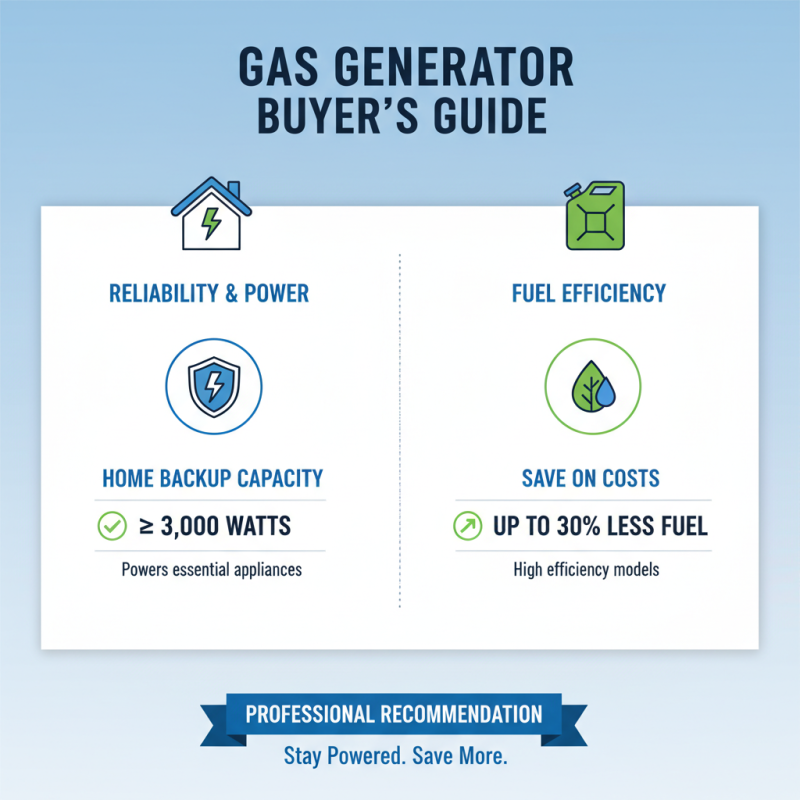
A lot of folks forget to consider noise levels and fuel efficiency, though. Those things can seriously impact your overall experience. Some generators are louder than others — not a big deal if it’s outside, but it could be annoying if you’re using it somewhere near your house. Also, a generator that guzzles fuel can rack up higher running costs. And don’t forget to check what kind of warranty is included. Reliability matters, no doubt, but it’s not everything. Getting the right info upfront is key to making the best choice for yourself.
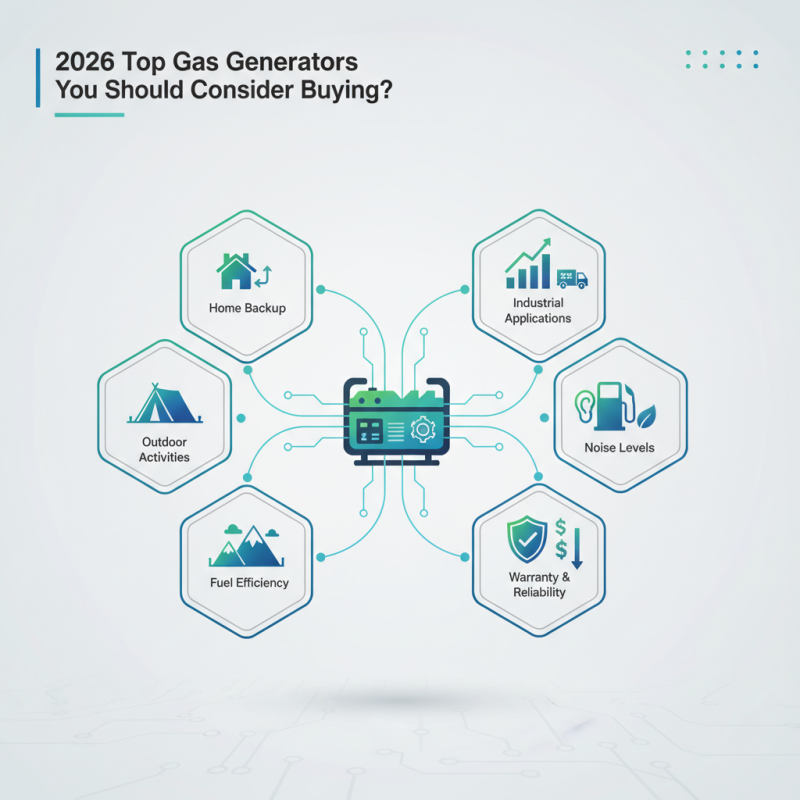
2026 Gas Generators: Overview of the Market
The gas generator market in 2026 exhibits interesting trends. Many users seek reliable and efficient energy sources for home and outdoor activities. As reliance on electricity grows, so does the demand for Top Rated Gas Generators. They provide power during outages and convenience for camping trips.
In this competitive landscape, users face a variety of options. Eco-friendliness has become a priority for many buyers. Some models are designed with innovative features, but not all meet user expectations. It's essential to research and read reviews. Not every top-rated option may suit individual needs. Moreover, fuel efficiency and noise levels are critical factors, as they directly impact usability and overall satisfaction.
Choosing the right generator can be challenging. Budget constraints often limit options. Still, investing in a quality model is crucial for long-term use. The market is evolving, and improvements are always on the horizon. Being informed helps users navigate their choices wisely.
Top Brands and Models in the Gas Generator Industry
When exploring the gas generator industry, several standout models capture attention. These generators are designed for reliability and efficiency. Many consumers look for dependability above all. The best models often come with advanced features that enhance performance. Some offer longer run times, while others focus on quieter operations. These factors warrant serious consideration.
Several manufacturers have established themselves as leaders in the market. Their generators frequently receive praise for durability. Some models provide automatic start options, which can be a game-changer during unforeseen outages. Consumers often highlight portability as an essential feature. The best-designed models are lightweight, making them easy to transport. This flexibility matters for outdoor activities or emergency situations.
Despite all the advantages, there are always areas needing improvement. Some users report difficulties with maintenance or repairs. This indicates a gap in customer support from certain brands. The price point can also be perplexing, as not all high-cost models guarantee better performance. Reflecting on these aspects is crucial for anyone considering the Top Natural Gas Generators. Selecting the right one requires careful thought and research.
Comparative Analysis of Efficiency and Performance
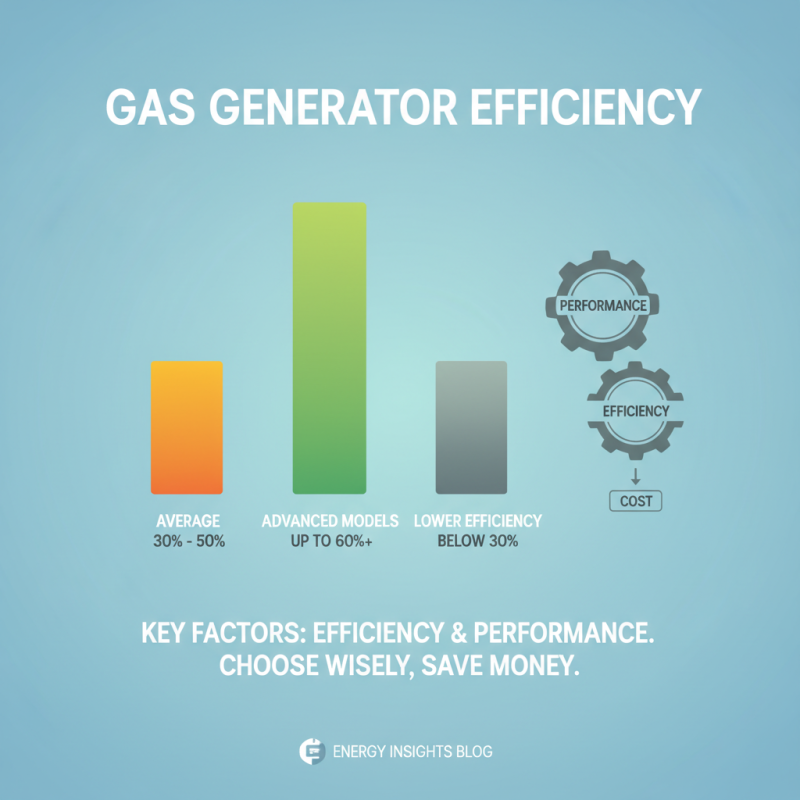
When choosing a gas generator, efficiency and performance are key factors to consider. Recent industry reports indicate that the average efficiency of gas generators ranges from 30% to 50%, depending on the model and usage. Some advanced models may achieve efficiencies over 60%, but these often come with a higher price tag. Understanding these metrics can help users make informed decisions.
Performance is equally crucial. Many generators can provide reliable power output for various applications. However, some may not perform well in harsh weather conditions. Data shows that performance can dip significantly as temperatures drop below freezing. Customer feedback often highlights this issue, indicating a gap in expectations versus real-world performance.
Fuel consumption is another area for evaluation. Generators that offer a longer runtime typically consume less fuel, which is more economical. Reports suggest that some models can run for up to 12 hours on a single tank. However, these numbers may vary widely based on load and operating conditions. The trade-offs can be challenging; while one model may excel in fuel efficiency, it might lack in durability. Careful consideration of these elements will lead to more balanced choices in gas generator purchases.
Pricing Trends and Budget Considerations
When considering the purchase of gas generators in 2026, pricing is a critical factor. The cost can vary significantly based on features and efficiency levels. Power output, fuel consumption, and noise levels can all impact the price. Buyers need to budget carefully. Avoid overspending on unnecessary features that may never be used.
For Residential Gas Generators, budget expectations should be realistic. Basic models might start at a lower price point, but higher-end units can be much more expensive. It's essential to balance quality with cost. Researching user reviews may help identify models that offer good value. Price alone shouldn't determine your choice. Reliability and performance are equally important.
Keep in mind the long-term costs. Maintenance and fuel prices can add up. Some models may require more frequent servicing, leading to higher yearly expenses. A cheaper initial purchase may not translate to savings over time. It's wise to calculate total ownership costs. Reflect on your specific power needs and usage patterns to make an informed decision.
2026 Top Gas Generators Pricing Trends
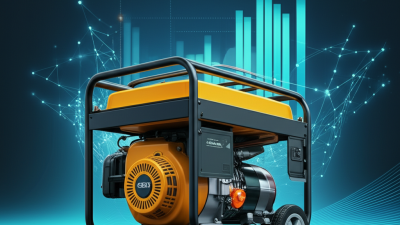
This chart illustrates the average pricing trends for various gas generator capacities in 2026. As indicated, the prices increase with the power output of the generators.
User Reviews and Ratings for Popular Gas Generators
When considering gas generators, user reviews play a crucial role. Many people share their experiences online. These reviews provide valuable insights into performance, reliability, and ease of use. Users often discuss how generators perform during power outages. Some comment on noise levels. Others talk about fuel efficiency.
A common theme in reviews is the balance between power output and portability. Some generators are lightweight and easy to transport. Yet, users sometimes find they lack sufficient power for larger appliances. Durability is another frequent topic. Many users reflect on their generator's longevity after heavy use. Some users praise their units, while others express disappointment. This variety of feedback helps potential buyers make informed decisions.
Pay attention to the details in reviews. Specific complaints about setup and maintenance can be eye-opening. Some users mention minor issues that could easily lead to frustration. Others highlight features that exceeded their expectations. Think about what matters most to you. This reflection can guide your choice effectively. User ratings can help navigate this complex market.
2026 Top Gas Generators You Should Consider Buying?
| Model | Power Output (W) | Fuel Type | Runtime (hours) | User Rating (out of 5) |
| Generator A | 3000 | Gasoline | 8 | 4.5 |
| Generator B | 2500 | Propane | 10 | 4.2 |
| Generator C | 5000 | Gasoline | 12 | 4.8 |
| Generator D | 4500 | Dual Fuel | 9 | 4.6 |
| Generator E | 3200 | Gasoline | 7 | 4.4 |
Future Innovations and Trends in Gas Generator Technology
Gas generators are witnessing significant innovations. Future trends show a shift towards enhanced efficiency and reduced emissions. According to a recent industry report, advancements in combustion technology could improve fuel efficiency by up to 30%. This means generators will consume less fuel and produce lower emissions, aligning with global sustainability goals.
Moreover, the rise of IoT technology is transforming how gas generators operate. Smart monitoring systems can now predict maintenance needs. This proactive approach extends the lifespan of generators and minimizes downtime. However, many users still struggle with the complexity of these technologies. Adopting smart features requires investment, both in money and time.
Another trend is the increasing use of alternative fuels. Propane and biogas are gaining popularity. Reports suggest that using these fuels can decrease greenhouse gas emissions significantly. Despite these benefits, the infrastructure for alternative fuels is still developing. Users often face challenges in sourcing and compatibility. These factors will need careful consideration as the market evolves.
Conclusion
In 2026, the gas generator market is poised for significant growth, offering consumers a variety of options tailored to their needs. When considering gas generators, it's essential to evaluate key features such as efficiency, portability, and noise levels. In addition to understanding the top brands and models available, comparative analysis of their performance can help buyers make informed decisions.
Pricing trends indicate that while budget options exist, investments in higher-quality gas generators can yield better long-term results. User reviews provide valuable insights into the reliability and functionality of popular models. Furthermore, the industry is witnessing exciting innovations that enhance technology and efficiency, promising even greater advancements in the gas generator space. Overall, 2026 presents a wealth of opportunities for those in the market for reliable and efficient gas generators.