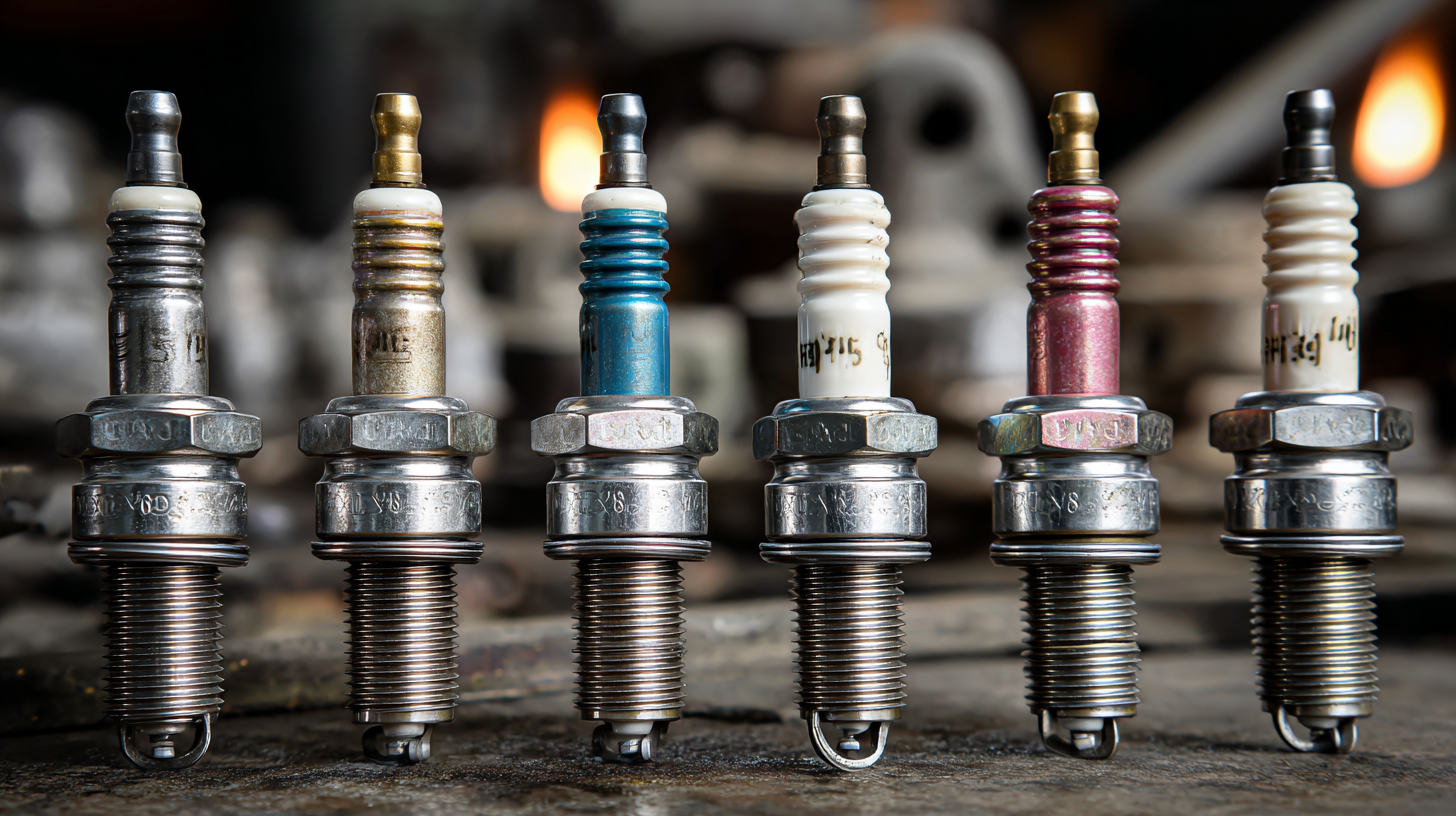
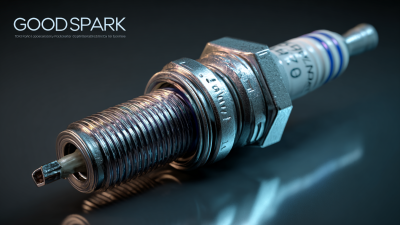
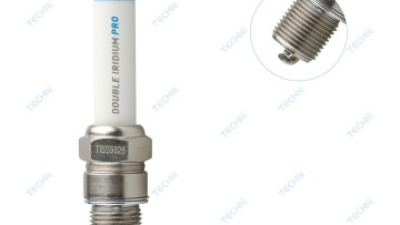
When it comes to gas engines, the performance and efficiency of your vehicle really depend a lot on the quality of the spark plugs. Industry reports suggest that around 40% of engine troubles can actually be linked back to faulty spark plugs — they’re pretty critical for ignition. At TECHIE Inc., we get it: choosing the right spark plugs is a big deal if you want your engine to run smoothly and last longer. We specialize in ignition systems for stationary gas engines, and our product range covers over 95% of the models out there, including GE Jenbacher, MWM, and CAT. With our expertise in ignition tech, we’re here not just to help you pick the right engine spark plugs, but also to provide a full service for all your gas engine spare parts. It’s all about making sure your vehicle performs at its best and keeps running reliably.
Understanding the Different Types of Engine Spark Plugs for Your Vehicle
When you're trying to pick out the right spark plugs for your vehicle, it’s actually pretty helpful to understand the different types out there — it can really make a difference in how your car runs. Spark plugs might seem like a small part, but they’re pretty vital in combustion engines because they’re the ones igniting the air and fuel mixture that powers your ride. The main types you’ll hear about are standard, platinum, and iridium plugs. Each one has its own pros and cons, especially when it comes to how long they last and how well they perform. Right now, iridium spark plugs are kinda leading the pack—they last longer and conduct electricity better, making them a popular choice.
Now, some recent studies have actually shown just how big a role spark plug specs play, especially when it comes to emissions. For example, one interesting finding is that a spark gap of about 0.4 mm can really help boost performance and cut down on carbon monoxide emissions—particularly in smaller vehicles. So yeah, choosing the right spark plug really depends on your engine type and even your driving style. It’s a good idea to peek at your vehicle’s manual and think about what your engine needs. Picking the right spark plug not only helps your car run more smoothly, but it also helps reduce those harmful emissions, so it’s kind of a win-win, right?
Key Specifications to Consider When Choosing Spark Plugs for Performance
When you're picking out the right spark plugs for your vehicle, there are a few key things to keep in mind to make sure they fit well and do their job efficiently. A good spark plug is super important because it’s what ignites the air-fuel mixture inside the engine’s combustion chamber—ultimately, that affects how much power your engine makes and how good your fuel economy is. Industry folks say that spark plugs typically last anywhere between 30,000 and 100,000 miles, but that really depends on your specific vehicle and how you drive. Picking the right type—like copper, platinum, or iridium—can really make a difference. For example, iridium plugs tend to last longer and handle heat better than the old-school copper ones, which is a win if you're looking for durability and performance.
Plus, you can't overlook the heat range of the spark plugs—this basically determines how fast they shed heat. It’s crucial because if the spark plug runs too hot or too cold, it can cause issues like knocking or pre-ignition, which you definitely want to avoid. Using a plug with the right heat range means your engine runs smoother and stays healthier in the long run. It’s a good idea to check your vehicle’s manual or talk to your mechanic to find out what’s best for your engine.
With newer models, especially the 2024 off-road vehicles, having tailored spark plugs can really boost your torque and horsepower, making those tricky terrains much easier to handle. All in all, choosing the right spark plug isn’t just about sticking to quick fixes—it’s about making sure your ride stays reliable and performs at its best, mile after mile.
The Impact of Material Composition on Spark Plug Efficiency and Longevity
When you're choosing spark plugs for your car, it really pays to understand what they’re made of. The materials—things like copper, platinum, and iridium—each bring their own perks. For example, copper plugs are fantastic for conductivity and heat dissipation, so they work pretty well in high-performance engines. But here’s the catch—they tend to wear out faster than platinum or iridium plugs, which last much longer. Those more expensive options might set you back a bit initially, but they usually mean fewer replacements down the line, which is a win in the long run.
And get this— the spark plug market is actually expected to grow pretty significantly, probably hitting around USD 23.21 billion by 2034. That growth is mostly thanks to more cars hitting the roads and new tech in spark plugs becoming more common. So, it really highlights how choosing the right materials isn’t just about performance, but also about getting the most out of your investment.
For car owners, picking the right spark plugs is really about balancing what your engine needs and what the different materials can offer. When you do your homework and make an informed decision, you’re likely to see better ignition, improved fuel efficiency, and just an all-around smoother ride. It’s all about making your driving experience better — simple as that.
How to Select the Right Engine Spark Plugs for Optimal Vehicle Performance
| Spark Plug Type | Material Composition | Efficiency Rating | Longevity (miles) | Temperature Range (°F) |
| Copper Core | Copper Center Electrode | Standard | 20,000 | -40 to 500 |
| Platinum | Platinum Center Electrode | Enhanced | 60,000 | -40 to 600 |
| Iridium | Iridium Center and Ground Electrodes | High Performance | 100,000 | -40 to 700 |
| Double Platinum | Platinum on Both Electrodes | Superior | 100,000 | -40 to 700 |
| Ceramic | Ceramic Material | Variable | 50,000 | -40 to 600 |
How Plug Gap and Heat Range Affect Engine Performance and Fuel Economy
Whenever you're choosing spark plugs for your engine, it's pretty important to understand how things like the plug gap and heat range can really affect how well your engine runs and how much fuel you end up using. So, the plug gap—the distance between the center and ground electrode—is a big deal. It plays a major role in how well the spark ignites the fuel-air mixture. Industry folks say that finding that perfect gap can lead to more complete combustion, which can boost your fuel efficiency by around 5%. Smaller gaps tend to spark better under high pressure, while bigger gaps might help the engine catch fire faster in certain circumstances—that kinda depends on your engine’s design and how you're driving it.
Now, about heat range—this is basically how quickly the spark plug sheds heat away from the combustion chamber. Usually, standard ranges work pretty well, but if you pick something that's too cold, you're risking fouling the plug. On the flip side, if it runs too hot, you might get pre-ignition or even cause some damage to your engine. The folks at SAE mention that picking the right heat range can bump up your engine's efficiency by about 2-3%. The bottom line? You really want to match your spark plug to your engine’s specs—doing a little homework here can make a big difference in performance and how long your parts last. It’s all about making sure you’re making an informed choice based on a good understanding of what your engine actually needs.
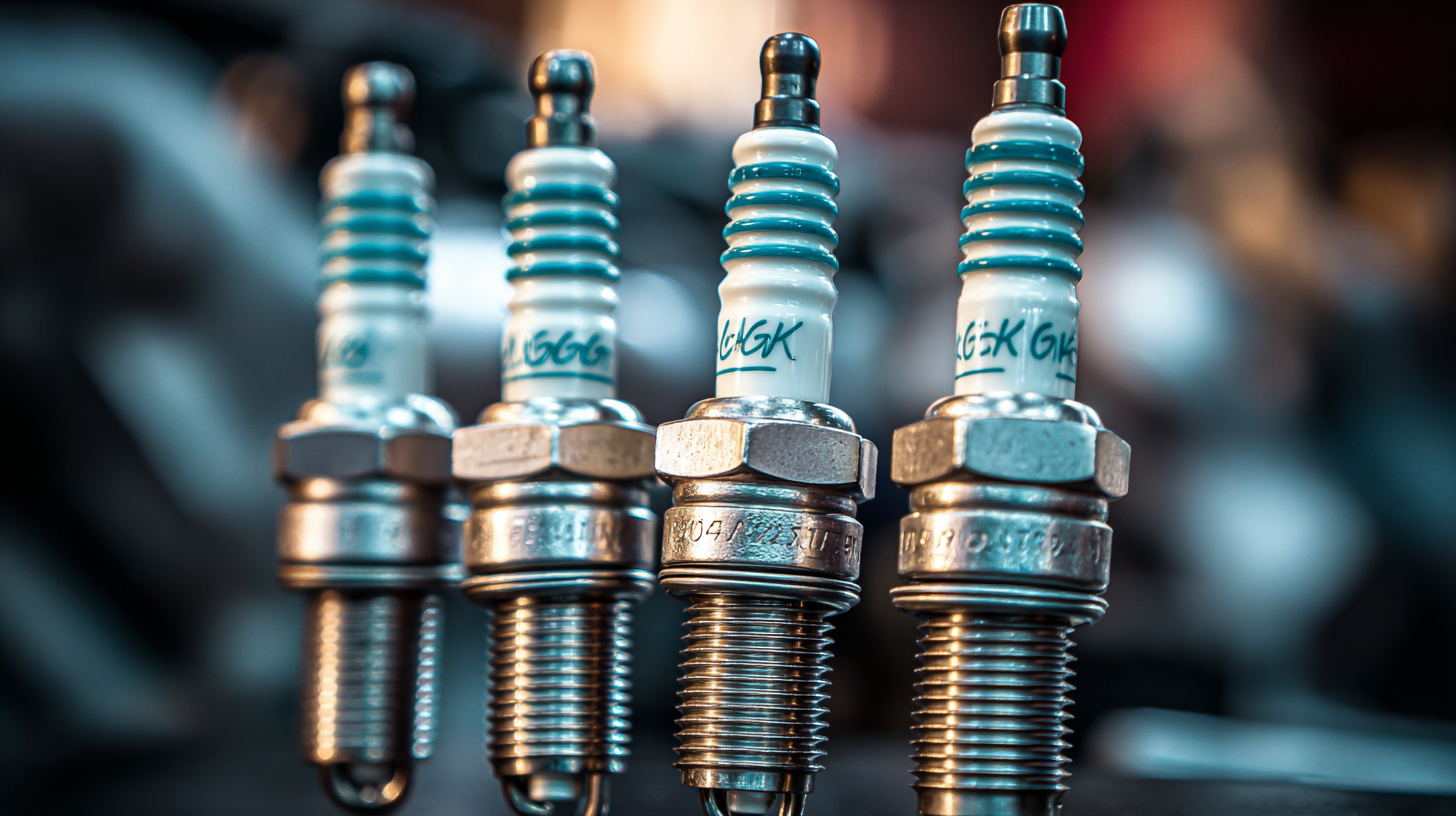
Replacement Intervals: When to Change Your Spark Plugs for Optimal Function
Keeping up with Spark Plug Replacements is actually pretty important if you wanna keep your car running smoothly. The folks over at the Automotive Aftermarket Suppliers Association (AASA) say most cars need new spark plugs somewhere between 30,000 and 100,000 miles—though it kinda depends on what kind of plugs your car has and what the manufacturer recommends. For example, copper spark plugs typically need swapping out sooner, like every 30k miles, while iridium or platinum ones can last a lot longer, sometimes up to 100k miles or even more if you're lucky.
If you ignore these guidelines and let your spark plugs go too long, you might notice your fuel economy taking a hit, or worse, your car might start producing more emissions than it should. The Department of Energy even points out that worn-out spark plugs can cut your fuel efficiency by up to 30%. Not to mention, misfiring plugs can cause real engine trouble, which can get pretty expensive to fix. So, staying on top of regular maintenance and following what the manufacturer suggests for spark plug changes can really save you money in the long run—both on gas and on potentially costly repairs. Trust me, a little proactive effort here really pays off!
Engine Spark Plug Replacement Intervals
This chart illustrates the optimal replacement intervals for different types of engine spark plugs based on average mileage. Ensuring timely replacement improves vehicle performance and fuel efficiency.
Recognizing Symptoms of Worn Spark Plugs and Their Effect on Vehicle Health
Worn-out spark plugs can really mess with your car's performance and how long it lasts. You might notice it’s harder to kickstart your engine, the acceleration feels sluggish, or you’re getting worse gas mileage — all signs that something’s up. Actually, a report from the U.S. Department of Energy says that bad spark plugs can slash fuel efficiency by almost 30%. That’s pretty significant! So, it's super important to keep an eye on your spark plugs—regular checks can save you from costly repairs and keep your ride running smoothly.
Here's what I’d recommend: try to inspect your spark plugs roughly every 30,000 miles, or follow what your car’s manual suggests. When you do, look out for corrosion or a really dark, sooty appearance—that's usually a sign they’re fouled and need swapping out. Also, if you wanna give your engine a bit of a boost, consider upgrading to high-Performance Spark Plugs made for your car’s specific engine. They can help with a stronger spark and better overall performance.
And if you start noticing things like misfiring, rough idling, or your car just isn’t running as smoothly as before, don’t hesitate to get a professional to check the plugs. Staying on top of this stuff not only makes your car run better but can also help it last longer, so you’ll be able to enjoy many trouble-free miles ahead.
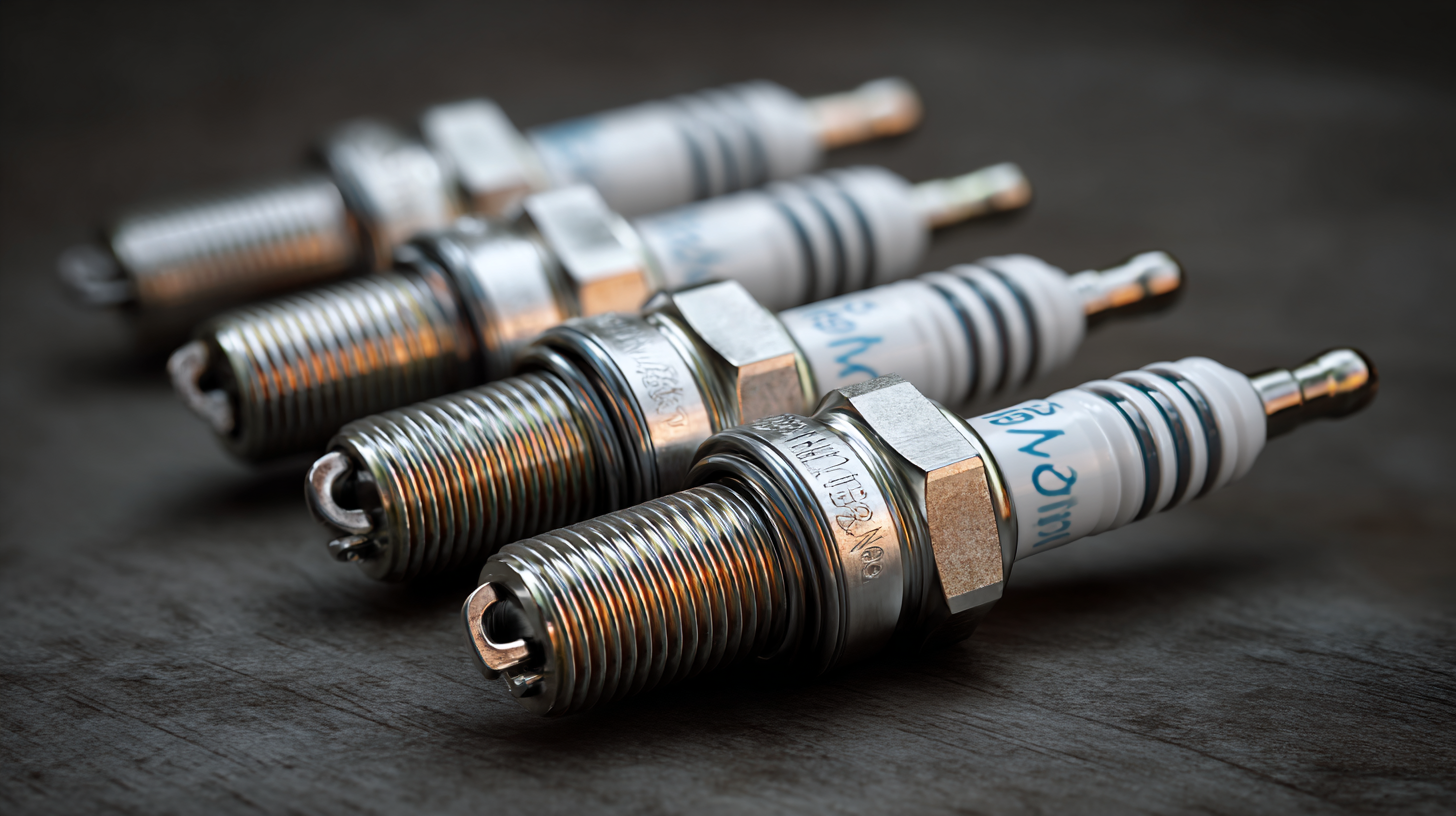
Maximizing Engine Efficiency: The Role of TECHIE Premiums Spark Plugs in CAT, Cummins, and Perkins Systems
In the quest for maximizing engine efficiency, the choice of spark plugs plays a critical role, particularly in heavy-duty systems like those from CAT, Cummins, and Perkins. The TECHIE Premiums spark plugs are specifically designed for the CAT C3500 and C3600 series, Cummins QSV and QSK series, and Perkins 4000 series engines, providing a superior alternative to the traditional Champion FB77WPCC. By ensuring optimal ignition and combustion processes, these spark plugs significantly contribute to fuel efficiency and reduced emissions.
Industry reports underscore the importance of quality spark plugs in engine performance. According to recent data, engines that utilize high-performance spark plugs can experience up to a 5% increase in fuel efficiency, translating into substantial savings over time for fleet operators. Additionally, the robust design of TECHIE Premiums spark plugs enhances durability, allowing them to withstand extreme operating conditions—ideal for heavy-duty machinery that often operates under intense stress. This durability reduces the frequency of replacements, further adding to the operational efficiency and cost-effectiveness of maintaining these crucial systems.
As manufacturers seek to meet increasingly stringent environmental regulations, the role of efficient combustion technologies becomes paramount. The TECHIE Premiums spark plugs not only cater to this need by enhancing engine performance but also align with sustainability goals by lowering the carbon footprint. Given the rigorous demands placed on engines in the field, investing in high-quality spark plugs like those from TECHIE is a strategic move toward achieving optimal engine efficiency and long-term reliability.
FAQS
: Material composition is key to achieving optimal performance and longevity in spark plugs. Different materials, like copper, platinum, and iridium, offer unique benefits, affecting conductivity, heat dissipation, durability, and overall longevity.
Copper spark plugs usually need replacement every 30,000 miles, while platinum and iridium spark plugs can last up to 100,000 miles or more under ideal conditions.
The plug gap affects ignition quality; an optimal gap can lead to more complete combustion, potentially increasing fuel efficiency by up to 5%. Smaller gaps are better under high pressure, while larger gaps can improve combustion speed under certain conditions.
Heat range determines how quickly a spark plug dissipates heat from the combustion chamber. Choosing the correct heat range is essential; a too-cold plug may foul, while a too-hot plug can cause pre-ignition or engine damage.
It is generally recommended to change spark plugs every 30,000 to 100,000 miles based on the type of spark plug and the vehicle's specifications to ensure optimal performance and prevent decreased fuel efficiency.
Not replacing spark plugs as recommended can lead to decreased fuel efficiency, increased emissions, and potential engine damage due to misfiring spark plugs, resulting in costly repairs.
Using the right type of spark plug can improve fuel economy; for example, high-performance plugs made from platinum or iridium can enhance efficiency due to their durability and better combustion characteristics.
The spark plug market is projected to reach USD 23.21 billion by 2034, driven by increasing automotive production and advancements in spark plug technology.
Making an informed choice about spark plugs, based on material composition and compatibility with the engine’s requirements, can lead to better ignition performance, improved fuel efficiency, and an overall better driving experience.
Conclusion
When it comes to boosting your vehicle's performance, picking the right spark plugs for your engine is a pretty big deal. These tiny components can actually make a big difference in how efficiently your engine runs and how long it lasts. It's worth taking some time to understand the different types out there—things like what material they’re made of, the plug gap, and the heat range. Having that knowledge helps you choose the best fit for your engine’s specific needs. Oh, and don't forget—knowing when to swap them out and spotting the warning signs of worn spark plugs can really save you headaches down the road, keeping your engine happy and healthy.
At TECHIE Inc., we're all about ignition systems for stationary gas engines. We've got a wide selection of spark plugs—covering over 95% of major brands like GE Jenbacher, MWM, and CAT. Our goal is to make sure you’ve got access to the best parts so your engine can perform at its best. Whether you're fixing something or just doing routine maintenance, we've got you covered with reliable, top-quality components.